

Although national statutes persist in forbidding the application of marijuana, numerous regions maintain their own therapeutic cannabis systems.
These systems permit eligible participants to obtain marijuana from state-approved outlets, once they’ve been validated by a certified health care provider.
Given the distinctive features of each region’s therapeutic cannabis scheme and the continually evolving nature of cannabis regulations, it’s crucial to remain informed about therapeutic cannabis statutes and guidelines in your area.
Discover more about therapeutic cannabis legalization by exploring the segments below. Unwind and relax while we handle the rest with our efficient weed delivery service!
Marijuana derives its medical significance from cannabinoids, the chemical components found naturally in the herb. Therapeutic cannabis is employed to address particular ailments and disorders.
Regions with therapeutic cannabis schemes have enacted regulations either through their administrations or through citizen voting initiatives to legalize the application of marijuana for medicinal purposes. These regions have distinct guidelines regarding who can cultivate, distribute, and utilize therapeutic marijuana.
Each region manages its therapeutic cannabis scheme individually. State assemblies regulate everything from the formats of marijuana that eligible participants can ingest to the quantity of plants they can cultivate at home.
In numerous regions where marijuana is recreationally permitted, therapeutic cannabis schemes continue to operate, providing participants with access to more potent products, larger cultivation limits, and the capacity to purchase more marijuana at once.
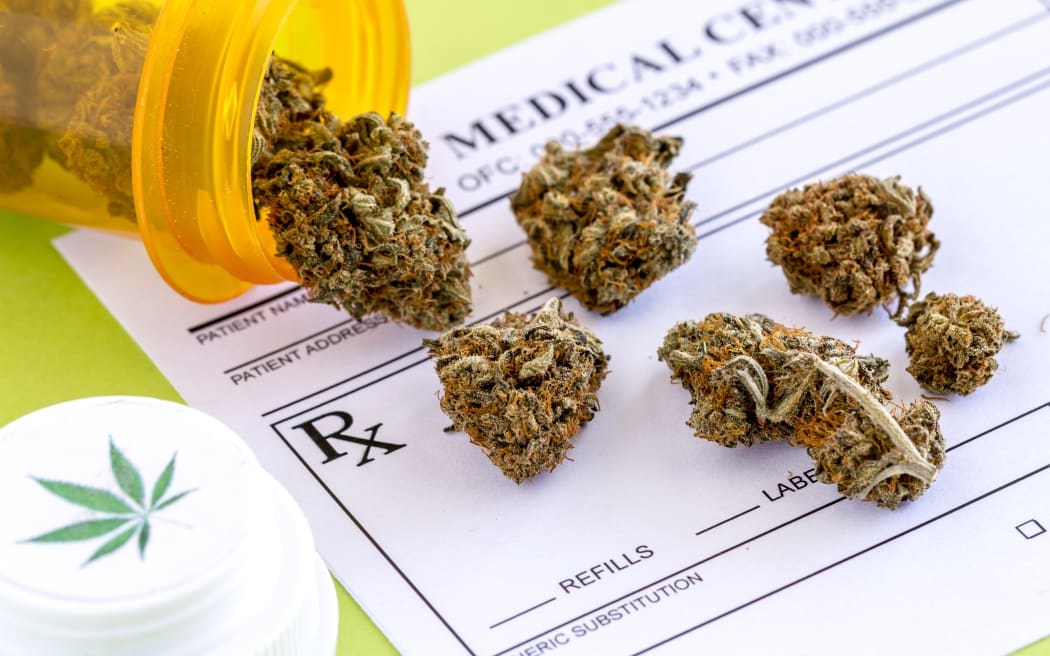
Below you will discover a collection of regions and territories that have authorized marijuana for medicinal purposes.
Therapeutic cannabis reciprocity: Regions that accept out-of-region MMJ cards
Only a limited number of regions accept out-of-state therapeutic cannabis cards. The regions and territories that demonstrate out-of-state therapeutic cannabis card reciprocity include:
Qualifying ailments are the identifiable conditions that participants may seek therapeutic cannabis to assist with treatment. Each state possesses its own compilation of qualifying ailments. The following ailments are among the most frequently sanctioned for utilization of therapeutic marijuana.
Thanks to its notable anti-seizure characteristics, almost every region has accepted therapeutic cannabis to counter epilepsy and other seizure conditions. The non-intoxicating marijuana component cannabidiol (CBD) has been shown to significantly diminish seizure frequency—as much as42%, according to a2018 study. Many regions may also approve cannabis, specifically CBD, for the treatment of pediatric epilepsy in minors.
While researchers continue to investigate the methods that cannabis may address cancer itself, most areas now recognize its capability to alleviate symptoms linked to neoplasia and chemotherapy, including discomfort, nausea, and appetite suppression. For cancer-associated symptoms, many participants favor cannabis products that feature a balance of THC and CBD.
Some of the strongest supporters in the cannabis movement are participants with multiple sclerosis who have encountered the advantages of cannabis directly. Cannabis has been determined to alleviate numerous symptoms associated with MS: Discomfort, insomnia, inflammation, muscle spasms, abdominal unease, and depression.
HIV/AIDS
Some of the earliest and most impactful medical cannabis advocacy in the US is anchored in its ability to alleviate HIV/AIDS symptoms. It is logical, then, that so many areas have permitted the condition for HIV/AIDS participants enduring symptoms like appetite loss, nausea, and fatigue.
Neurodegenerative disorders
Medical professionals frequently endorse therapeutic cannabis to address neurodegenerative disorders such as Lou Gehrig’s Disease (ALS), Alzheimer’s, Parkinson’s, Huntington’s, and glaucoma. For many enduring these incapacitating disorders, cannabis can help restore their quality of life by enhancing cognition and mobility, alleviating spastic and rigid muscles, and more.
Discomfort
Physicians have recognized various kinds of discomfort and regularly suggest therapeutic cannabis to alleviate many of them. Verify that your region has approved the particular type of discomfort you face, and note that cannabis impacts each type of discomfort distinctly. Many physicians and participants have discovered that cannabis products that integrate THC and CBD tend to be most effective in managing discomfort.
Nausea
Physicians commonly sanction therapeutic marijuana to counter nausea, although there are subtle differences in its definition across states. For instance, some regions empower cannabis for nausea at a broad level, while others necessitate “severe” or “intractable” symptoms. THC can alleviate nausea and vomiting, but be cautious of your dosage, particularly when utilizing edibles: Excess THC can actually have the reverse effect, worsening nausea.
Cachexia/wasting syndrome
Cachexia, or “wasting syndrome,” is a condition that typically accompanies cancer and HIV/AIDs, characterized by appetite and weight loss, as well as weakness and fatigue. Given that cannabis—especially THC-rich varieties—can potentially mitigate these symptoms, it’s no surprise that many regions include cachexia in their qualifying conditions.
Post-traumatic stress disorder (PTSD)
PTSD is an anxiety condition that often manifests through panic attacks and hypervigilance, in addition to mood and sleep disturbances. In the right dosage—and typically combined with high levels of CBD—cannabis can alleviate PTSD-related anxiety. Cannabis prior to bedtime has also been recognized to aid patients in falling asleep quicker, sustaining slumber longer, and decreasing nightmares.
As regions nationwide commence to fully authorize adult-use cannabis, you may ponder how this transformation impacts therapeutic cannabis facilities and card holders: What implications does it hold to be a therapeutic cannabis participant in a realm where anyone can enter a recreational outlet, present their state identification, and lawfully acquire cannabis?
Is the inconvenience of consulting a physician for a therapeutic card still valuable? Are there any tangible advantages of securing or renewing your card?
The response is affirmative—therapeutic cannabis card holders consistently benefit from their medical systems, even when their home region authorizes recreational cannabis. From dosage to access and affordability, participants will encounter substantial support for their ongoing care within the medical aspect of cannabis legality.
Reduced costs and levies
Numerous regions’ therapeutic outlets offer lower rates for therapeutic cannabis participants, a tremendous benefit for individuals who rely on cannabis for their livelihood. Imagine requiring life-enhancing medication, but lacking coverage from your insurance—that represents the reality of therapeutic cannabis participants nationwide.
Cannabis participants under age 21
Recreational stores can vend cannabis to anyone older than 21. While this is logical for the general populace, minors who rely on therapeutic cannabis would be restricted without medical systems in place. Some therapeutic cards permit those aged 20 and below to lawfully obtain the cannabis therapy they require to address cancer, epilepsy, or other conditions. Drawing a distinction between medical and recreational cannabis also diminishes the stigmatization of pediatric participants.
Regions with therapeutic cannabis systems typically have regulations permitting minors to access medical cannabis with the aid of a caregiver. Factors including the forms of cannabis (oils, edibles, etc.), the cannabinoids allowed (THC, CBD, etc.), and potency constraints vary from region to region.