

When it involves edibles, there are various methods to dose, and we’re not referring to biscuits versus brownies. Edible cannabis items can be ingested orally, indicating they are swallowed, or sublingually, indicating they are retained under the tongue to be absorbed directly into the circulatory system.
Generally, food items containing cannabis are designed for oral dosing, while mists, extracts, and oils may be applied sublingually or orally. Some businesses are even crafting purpose-built sublingual cannabis strips.
The technique of delivery can influence the onset, duration, and potency of the impacts of cannabis.
No more waiting—experience swift weed delivery and get your favorites in no time!
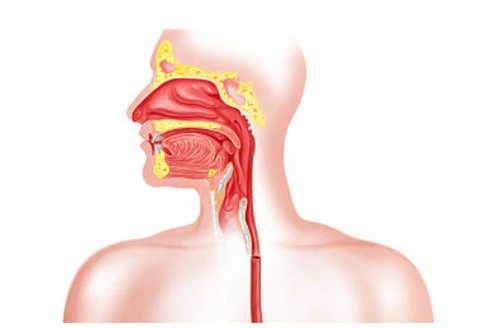
Sublingual delivery is a technique of administration for many typical medications. One of the most recognized of these is Ativan, a fast-acting benzodiazepine utilized to address acute anxiety. Sublingual delivery involves keeping the active ingredient under the tongue for a specific period, usually until the pill or strip dissolves. Another related drug delivery technique is buccal administration, where the active ingredient is held against the cheek.
The region under the tongue (and the cheeks) can absorb various active compounds into the circulatory system. This is tantamount to inhalation techniques, which allow the active substances to enter the bloodstream through the lungs. This is why sublingual delivery is fast-acting. Crucially, the substance has to be held beneath the tongue—not upon it—and for an adequate duration for its active components to dissolve into the bloodstream.
When dosing cannabis sublingually, individuals typically use products tailored for this route of delivery, such as mists, extracts, oils, or sublingual strips. You could experiment with holding a chewed cookie beneath your tongue, but outcomes may differ.
The pharmaceutical cannabinoid medication Sativex is administered sublingually via spray. Mists, extracts, and oils may also be absorbed orally if they are swallowed. Some individuals prefer to keep a product under the tongue and then swallow it for maximal effectiveness.
Conventional cannabis edibles—foods and beverages infused with cannabinoids—are typically consumed and processed orally. This signifies that an individual swallows the cannabinoids, which are then absorbed in the intestine and processed by the liver.
Many individuals report edible cannabis to be a more potent experience than inhalation. Scholars believe this occurs because when THC is ingested, it is transformed into11-hydroxy THC, which is “particularly effective in crossing the blood-brain barrier, resulting in a more intense high.” A2016 analysis on cannabis edibles refers to11-hydroxy-THC as “a powerful psychoactive metabolite,” especially in comparison with delta-9-THC, the converted form of THC that cannabis users experience by smoking, vaping, or sublingual absorption.
“11-OH-THC is more potent than Δ9-THC and appears in blood in larger quantities when Δ9-THC is ingested than when it is inhaled; hence, it may be responsible for the stronger and more enduring drug effect of edibles as opposed to similar doses of smoked cannabis,” the analysis explains.
For some,11-hydroxy-THC provides a method to extend the effects of cannabis without needing to consume more. For others, the results might be too intense and undesirable.
Orally-consumed edibles take a while to begin to act, because they have to be digested and processed in the digestive system before entering the bloodstream. If you’ve just had a substantial meal, it might take even longer for the cannabinoids to begin to influence you. This could mean up to90 minutes before an edible starts to take effect, and even longer before it reaches peak effectiveness.
The impacts of edibles are also known to endure longer than the impacts of inhalation methods, and the same is true when compared to sublingual delivery.
Sublingual delivery may attract someone who is seeking an alternative to edibles that is less intense, shorter, and that activates more quickly.
There are, of course, some drawbacks to sublingual delivery. Consuming cannabis sublingually means an individual must buy specialized products made for this method of delivery, such as mists, extracts, oils, or sublingual strips. The user must also retain the substance under the tongue for a specific amount of time, which may be uncomfortable if they dislike its flavor.
Ultimately, conventional oral cannabis edibles are easier to consume. But for those who seek a smokeless option while avoiding a potentially intense and long-lasting high, or those who require something fast-acting, sublingual delivery might meet all the criteria.