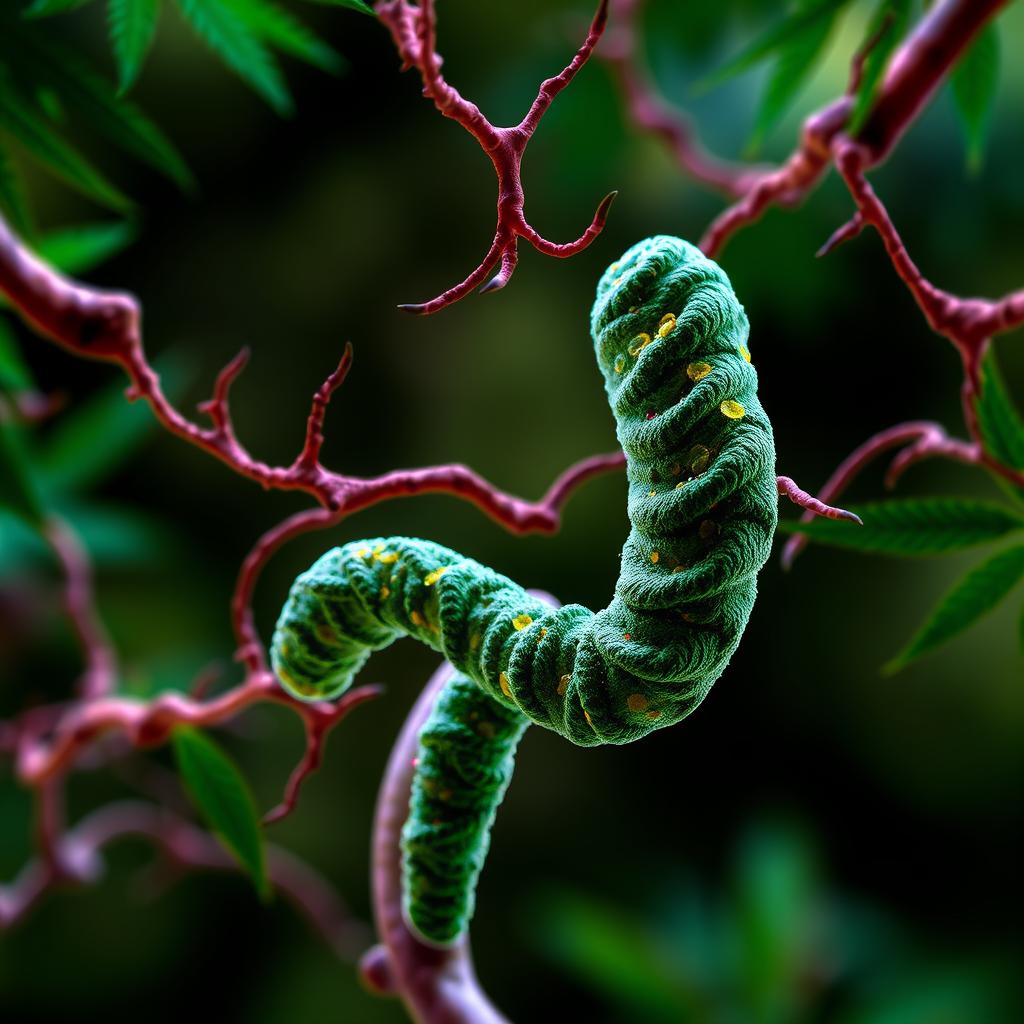
Emerging research suggests a complex interplay between cannabinoids and the gut microbiome. Cannabinoids, the active compounds in cannabis, may influence the composition and function of the gut microbiota, potentially impacting digestive health, immune function, and overall well-being. Studies have shown that cannabinoids can modulate gut permeability, alter microbial diversity, and affect the production of short-chain fatty acids, key metabolites produced by gut bacteria. These interactions highlight the need for further investigation to fully understand the implications of cannabinoid consumption on gut health and the broader implications for human health.
Exploring Their Complex Relationship
What is the microbiome?
The mature human organism is composed of trillions of units, with hundreds of unique kinds each specialized to perform certain tasks. Each unit detects and reacts to its external surroundings, including chemical signals originating from other human units of the organism. These signals impact what each unit accomplishes and the manner in which it does so.
In addition to all of your human units, which each express different segments of your individual genetic code, a healthy mature body also harbors trillions of additional, non-human units—microorganisms with their own, distinct genetic codes. The habitat of microbes residing on your body’s surfaces is your microbiome.
Cannabinoids and the intestinal microbiome
Your complete microbiome is a mosaic of local microbiomes. Each local patch of tissue on your body possesses its own little habitat of microbes uniquely suited to inhabit there. The intestinal microbiome is the habitat of microbes living within your gastrointestinal (GI) tract. The specific colony of microbes will vary between regions of your GI tract, such as your esophagus, stomach, small intestine, and large intestine.
The structure of the microbiome within the GI tract is vital because it affects everything from your capability to absorb specific nutrients to disease vulnerability and even cognitive function. There is considerable research underway on the “microbiome-gut-brain connection,” which investigates how the microbiome mediates communication between our nervous system and gut. Stay cozy at home while we bring the best weed straight to you try our weed delivery in toronto today !
Prebiotics, probiotics & nutritional influences on the gut microbiome
There is continuous interaction between the units of your gut microbiome and human units forming your body. How you conduct your life–what you consume and how you act–affects the structure of your microbiome. In turn, your microbiome affects your physiology and actions. The microbiome is continually shifting, automatically and without your awareness, in response to your lifestyle. It can also be modified deliberately by consuming specific nutrients necessary for microbial proliferation (prebiotics), inoculating your gut with “beneficial bacteria” (probiotics), eliminating bacteria in your gut (e.g. with antibiotics), or intentionally modifying your diet.
Prebiotics are nourishment for the units of your gut microbiome. They are typically high in fiber. As gut well-being and its connection to the microbiome have grown in popular consciousness, consumer advertising has kept pace. Store-bought products previously marked, “High fiber” are now marked, “With prebiotics,” with the underlying item unchanged. If your diet is too low in prebiotics like fiber, it’s more challenging for “beneficial” bacteria to thrive and more probable that other, potentially harmful microbes increase in their place.
Numerous individuals are now buying and consuming probiotics in the form of capsules containing specific varieties of “beneficial bacteria.” While it is feasible to affect the structure of your microbiome and encourage the growth of beneficial bacteria in this manner, many consumers end up squandering their resources. For a probiotic to be effective, the beneficial bacteria must be entering a gut with the right prebiotic environment. If your diet is generally poor and does not include sufficient quantities of essential prebiotic nutrients like fiber, then probiotics won’t assist—the beneficial bacteria you’re ingesting simply won’t multiply.
Many probiotics also don’t have a sufficient number of bacterial units to provide benefits. There has to be a critical mass of bacterial units entering an adequately nourishing environment for them to “establish” and persist in your gut. Determining which bacteria you may desire and how much to ingest will necessitate careful investigation and a disciplined strategy to your diet.
Pharmaceutical medications & the microbiome
Most of us are unknowingly affecting our gut microbiome by consuming items that alter its structure. Antibiotics can exert a strong influence. If you get a bacterial illness and take antibiotics, this will often result in killing beneficial gut bacteria along with whatever pathogen you’re trying to eliminate. If you don’t replenish your organism with the appropriate nutrients, antibiotics can lead to a persistently altered gut microbiome, which may lead to negative health outcomes. This is why antibiotics should not be used without good cause, and why particular attention should be given to your diet after their use.
If you must take antibiotics to address an illness, this can offer an opportunity to partially “reset” your microbiome. Antibiotics will eliminate many of the bacteria in your gut. Some of them may be “beneficial” bacteria assisting you in absorbing key nutrients while others may be “harmful” bacteria that produce toxins or induce irritation. What you want is to foster the growth and continuity of beneficial bacteria once antibiotics partially “clear out” your gut microbiome. To achieve this, you would want to consume a nourishing diet with ample fiber, providing the ideal prebiotic environment for a diverse and advantageous microbiome to expand. You may also want to consume probiotics following antibiotic use, assisting in seeding your gut microbiome with beneficial rather than harmful species. (As always, this is not medical guidance and these actions should be taken in consultation with your medical professional).
Psychiatric medications and other substances can also affect your microbiome. For example, selective serotonin reuptake inhibitors (SSRIs), society’s standard drug intervention for depression, can have this impact. Although serotonin is most well-known as a neuromodulator functioning in the brain, the majority of the body’s serotonin is found elsewhere, including the gut.
SSRIs modify serotonin levels in both the brain and gut (which is why GI difficulties are a frequent side effect). This can not only change the molecular environment of the gut and indirectly impact which microbes thrive, but SSRIs can have antimicrobial properties, exerting a direct influence on gut microbiome composition.
Endocannabinoids & the intestinal microbiome
The endocannabinoid system (ECS) assists in regulating and preserving equilibrium in most tissues of the body. Endogenous cannabinoids and cannabinoid receptors are abundant in the gut, where they help regulate everything from gut inflammation to movement (the transit of food along the GI tract) and absorption (the extent to which water and nutrients are absorbed from the GI tract into the body).
It would be astonishing if cannabinoids didn’t influence the gut microbiome, given the known role of the ECS in regulating gut physiology. Dietary alteration can modify levels of circulating endocannabinoids in the organism, which can influence phenomena like gut absorption. Because endocannabinoids are fat-derived compounds, the lipid composition of your diet is linked to the endocannabinoid levels in your organism. Moreover, the proliferation of specific microbes, such as the yeast Candida albicans, is known to manipulate the endocannabinoid system in animals in ways that alter neuroendocrine levels and behavior.
Rate this post
Only for the 19+ crew 🌿 — you in?
This website is for adults 19+ only 🌿 It may contain age-restricted content that’s not meant for minors, your little cousin, or anyone who still needs permission to stay up late.