

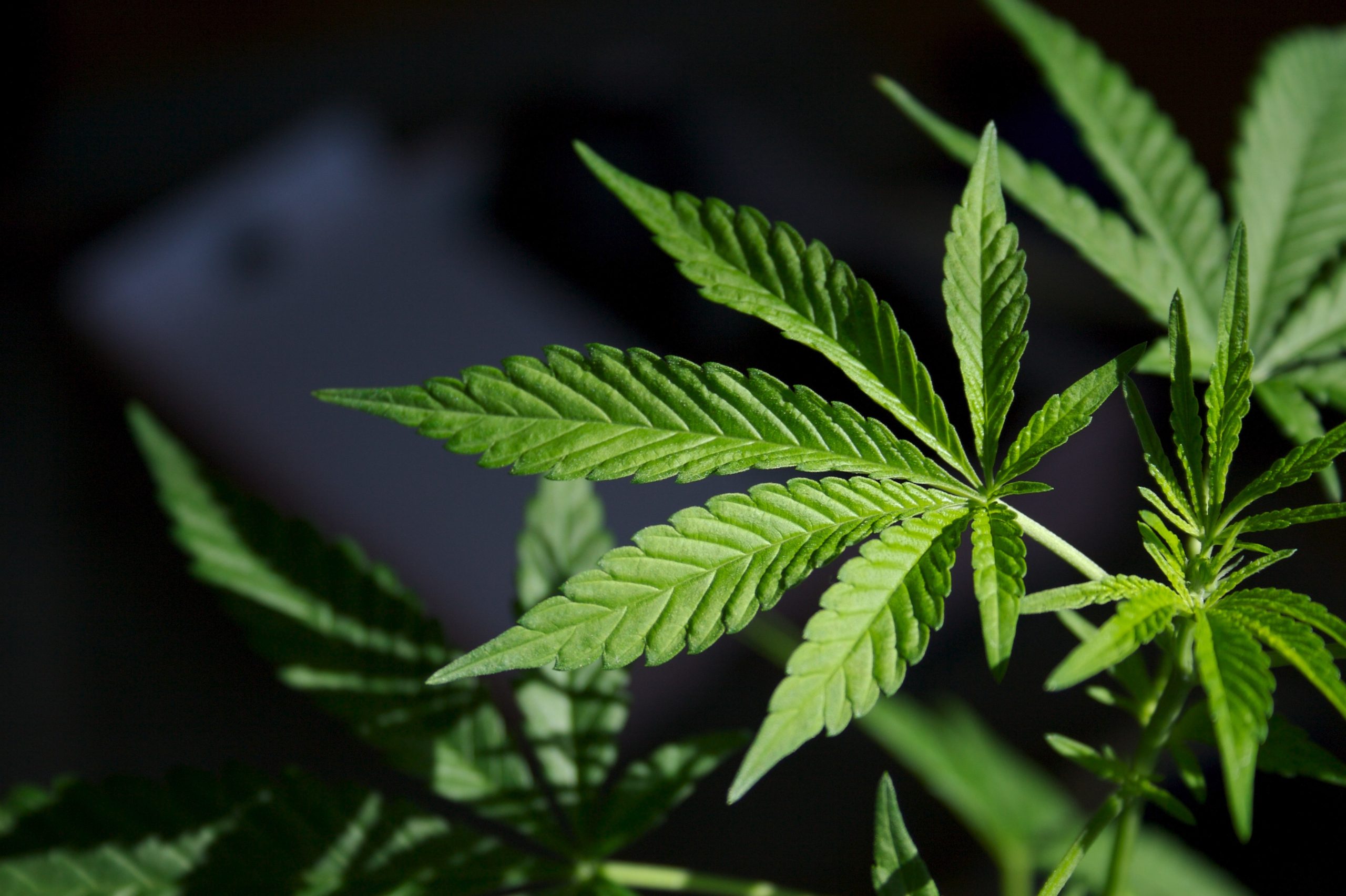
Cannabis, hemp, grass, and marijuana all denote the same collection of plants recognized for their soothing and tranquilizing effects. However, impacts vary depending on your method of intake, and it’s unlawful in numerous locations.
Cannabis pertains to a set of three species with psychoactive features, known as Cannabis sativa, Cannabis indica, and Cannabis ruderalis.
When the blossoms of these species are collected and dried, you’re left with one of the most prevalent substances globally. Some refer to it as grass, others as hemp, while some call it marijuana.
As hemp becomes lawful in more regions, terminologies for it are changing. Nowadays, an increasing number of individuals are using the term cannabis to describe hemp.
Some contend that it’s a more precise label. Others believe it’s more neutral compared to terms like grass or hemp, which some individuals link with its illicit use. Additionally, the term “marijuana” is losing popularity due to its prejudiced history.
Cannabis is typically ingested for its soothing and tranquilizing impacts. In some U.S. states, it’s also prescribed to assist with a variety of health conditions, including chronic discomfort, glaucoma, and reduced appetite.
Bear in mind that while cannabis derives from a plant and is deemed natural, it can still have significant impacts, both advantageous and adverse.
What are the constituents of cannabis?
Cannabis comprises more than 120 constituents, known as cannabinoids. Specialists still aren’t entirely clear on what each cannabinoid does, but they have a fairly good comprehension of two of them, recognized as cannabidiol (CBD) and tetrahydrocannabinol (THC).
Each has its distinct impacts and applications:
CBD. This is a psychoactive cannabinoid, yet it’s non-intoxicating and non-euphoric, meaning it won’t influence you into a “high” state. It’s frequently employed to assist in decreasing inflammation and discomfort. It may also alleviate nausea, migraines, seizures, and worry. (Epidiolex is the first and only prescribed medicine to contain CBD and be sanctioned by the Food and Drug Administration, or FDA. This medication is utilized to treat certain types of epilepsy.) Researchers are still striving to thoroughly grasp the efficacy of CBD’s medical application.
THC. This is the primary psychoactive element in cannabis. THC is responsible for the “high” that most individuals associate with cannabis.
You can discover cannabis items that encompass just CBD, THC, or a mix of both. However, the dried bloom that most individuals identify with cannabis contains both cannabinoids, though certain varieties may have significantly more of one than the other. Hemp has substantial amounts of CBD but no THC.
What are the short-term impacts of cannabis?
Utilizing cannabis can yield a variety of short-term impacts. Some are advantageous, while others are more troubling.
Some of the more favorable short-term impacts include:
relaxation
euphoria
perceiving experiences around you, like sights and sounds, more intensely
enhanced appetite
altered perception of time and events
concentration and creativity
These impacts are often minimal in products featuring very high levels of CBD, in contrast to THC.
However, cannabis can also cause some troubling side effects for specific individuals. Side effects may encompass:
coordination difficulties
delayed response time
nausea
fatigue
anxiety
elevated heart rate
diminished blood pressure
paranoia
Once again, these impacts are less prevalent in products with more CBD than THC.
The short-term impacts of cannabis can also differ based on your method of intake. If you smoke cannabis, you’ll experience the effects within minutes. However, if you ingest cannabis orally, such as in a capsule or food, it may take several hours before you feel anything.
Additionally, cannabis often comes in various strains. These are broad categories used to suggest the impacts of different cannabis products. Here’s an introduction to some common strains and their potential impacts.
What are the long-term impacts of cannabis?
Experts are still trying to fully comprehend the long-term impacts of utilizing cannabis. There’s a lot of contradictory research on this subject, and many of the existing studies have only focused on animals.
Numerous larger, long-term studies in humans are required to fully grasp the enduring impacts of cannabis use.
Research from 2014Trusted Source underscores the potential effects of cannabis on cognitive development when utilized during adolescence.
According to this study, individuals who begin using cannabis in their teens tend to have more memory and learning difficulties than those who don’t use cannabis in their teens. However, it’s uncertain if these impacts are permanent.
Individuals who begin using cannabis in their teens may also have a heightened risk for mental health concerns later in life, including schizophrenia. However, experts still aren’t certain how strong this correlation is.
Some individuals can also become addicted to cannabis. Others even experience withdrawal symptoms when not using cannabis, such as irritable behavior, reduced appetite, and mood fluctuations.
According to the National Institute on Drug AbuseTrusted Source, individuals who begin using cannabis before the age of 18 are four to seven times more likely to develop a cannabis use disorder compared to those who initiate use later in life.
Smoking cannabis carries similar hazards to smoking tobacco. This may be attributed to inflammation and irritation of the airways.
Cannabis has been linked with bronchitis, and it may pose a risk factor for chronic obstructive pulmonary disease (COPD). However, recent researchTrusted Source has shown little evidence of a connection between cannabis use and lung cancer. More investigation is necessary in this area.
Is cannabis lawful?
Cannabis is unlawful in many places, but more and more regions are beginning to legalize it for both recreational and medicinal purposes. In the United States, for instance, several states have legalized recreational and medical cannabis.
Others have legalized it solely for medicinal use. However, cannabis remains illegal under federal legislation in the United States. The research supporting CBD use for inflammation and discomfort looks promising. The application of CBD-based prescription medication Epidiolex to reduce certain types of seizures is well established.
The regulations surrounding cannabis also differ from country to country. Some allow the use of products containing only CBD, while others regard any form of cannabis use as a severe crime.
If you’re interested in trying cannabis, ensure to research the laws in your region first.
The conclusion
Cannabis is a term that’s being increasingly employed to refer to hemp or marijuana. Regardless of what you choose to call it, cannabis has various short- and long-term impacts, which can be both advantageous and harmful.
If you’re curious about trying cannabis, start by verifying whether it’s legal in your area.
If it is, consider consulting a medical professional or pharmacist in advance to ensure it won’t interact adversely with any medications or supplements you take. A doctor can also assist you in weighing the potential benefits and risks to your health.
Why wait in line? Enjoy the ultimate convenience of Weed Delivery straight to your home!