🌿 Comprehensive Scientific and Practical Guide to Cannabis

Cannabis is a plant with a long-standing history in both medicinal and recreational use. Whether you’re seeking relief from chronic pain, looking to sleep better, or reduce anxiety, this plant offers a diverse range of effects thanks to its unique chemical composition. This article provides a deep dive into cannabis structure, effects, innovative consumption methods, product highlights, and cultivation practicesβ€”enhanced with strategic internal links fromΒ Herrble.ca.

πŸ”¬ Cannabinoids and Terpenes: The Heart of Cannabis Effects

The two most prominent compounds in cannabis are THC (tetrahydrocannabinol) and CBD (cannabidiol). THC is primarily responsible for the psychoactive effects, while CBD is known for its calming, anti-inflammatory, and anti-seizure properties. These compounds, along with terpenes, shape the overall user experience. Terpenesβ€”such as myrcene, limonene, and linaloolβ€”contribute to aroma, flavor, and therapeutic impact. Learn more inΒ this detailed guide on cannabis terpenes.

🧠 Psychological, Physical, and Therapeutic Effects

Depending on the strain and consumption method, cannabis may enhance mood, aid concentration, relieve pain, reduce muscle spasms, and alleviate nausea. It is increasingly used in conditions like epilepsy, MS, PTSD, and chronic anxiety. In cases resistant to traditional medication, combining THC with CBD can yield positive therapeutic outcomes.

πŸ’Š Methods of Consumption: Traditional and Modern

Consumers can choose from smoking, vaping, edibles, oils, and sublingual methods. Sublingual cannabisβ€”explained inΒ this articleβ€”offers fast-acting effects and controlled dosing, making it popular for those seeking quick relief without inhaling smoke.

🌿 How to Choose the Best Cannabis Strain for Personal Use

Choosing the right strain depends on your goals (medical or recreational), tolerance level, and flavor/aroma preferences. Indicas are known for relaxation and pain relief. Sativas are energizing and uplifting. Hybrids blend effects based on their genetic makeup. Beginners may prefer low-THC/high-CBD strains, while experienced users might seek high-THC products.

πŸ›οΈ Popular Cannabis Products

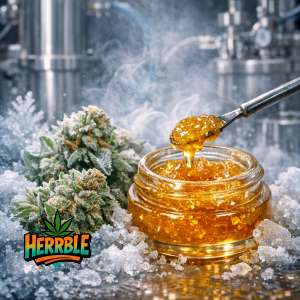
Hash remains one of the most potent and diverse cannabis products. Free Weed Delivery Toronto. Herrble.ca offers premium options like:

🌱 Cultivation, Cloning, and Cannabis Plant Training

Interested in growing cannabis at home? Master techniques like topping, pruning, and cloning. These enhance yield, health, and potency. Start with this article onΒ topping and trimmingΒ your plants, and learn about effective replication inΒ this cloning guide.

πŸ“¦ Mail Order and Delivery Services

Herrble offers reliableΒ mail-order weed delivery Toronto, with discreet packaging, fast shipping, and helpful customer support. Explore theirΒ special deals sectionΒ for daily offers and bonuses.

🧾 Final Thoughts

Understanding cannabisβ€”both scientifically and practicallyβ€”can help users make safe, informed, and fulfilling choices. For the best experience, consider your tolerance, desired effects, and product quality. Herrble.ca is your trusted partner for education, premium products, and nationwide delivery.

Share:

More Posts

how long weed stays fresh

How Long Does Weed Stay Fresh?

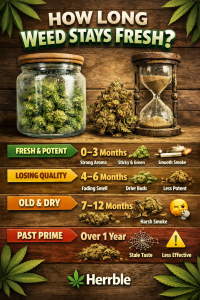
How Long Weed Stays Fresh (And How to Keep It Fresh Longer) If you’ve ever found an old stash and wondered how long cannabis stays

what is live resin

what is live resin?

What Is Live Resin? How It’s Made & Why It’s Different If you’ve explored cannabis concentrates, you’ve probably come across the term what is live

what is cannabis distillate

What Is Cannabis Distillate?

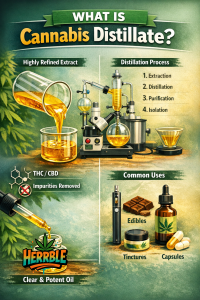
What Is Cannabis Distillate? How It’s Made & Why It’s Used If you’ve explored cannabis products, you’ve probably come across the term what is weed

what is cannabis hash

What Is Cannabis Hash?

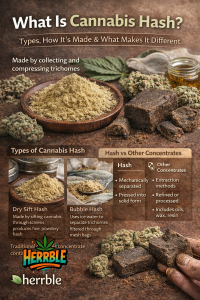
What Is Cannabis Hash? Types, How It’s Made & What Makes It Different If you’ve ever explored weed concentrates, you’ve probably asked what is cannabis

Fascinating Facts About Cannabis (How to Choose the Best Cannabis Strain for Personal Use)

Cannabis, commonly known in popular culture as “weed” or “marijuana,” is a plant with a long history and diverse applications. In this article, we explore some interesting and scientific facts about this plant.

1. Active Compounds in Cannabis

Cannabis contains over 480 chemical compounds, among which the two main onesβ€”THC (tetrahydrocannabinol) and CBD (cannabidiol)β€”have garnered the most attention. THC is responsible for the psychoactive effects of cannabis, whereas CBD is mainly studied for its therapeutic properties (DEA Drug Fact Sheet).

2. Medical Applications of Cannabis

Research has shown that cannabis can be effective in managing chronic pain, reducing inflammation, improving sleep, and lowering anxiety. For example, a 2017 study found that CBD can reduce blood pressure (Johnson & Wales University).

3. Cardiovascular Effects

A recent study by the University of California, San Francisco revealed that regular cannabis useβ€”whether smoked or ingestedβ€”can impair vascular function. In this study, vascular performance in cannabis users was up to 56% lower than in non-users (SFGATE).

4. Mental Health Risks

Frequent cannabis use, especially at a young age, can increase the risk of developing mental disorders such as schizophrenia. Additionally, excessive THC consumption may lead to anxiety, paranoia, and hallucinations (PMC).

5. Dependency and Use Disorder

According to CDC data, about 3 out of 10 people who use cannabis may develop a cannabis use disorder. The risk is higher in individuals who begin using it before the age of 18 (CDC – Facts & Stats).

6. Effects on Cognitive Performance

Cannabis use can negatively affect short-term memory, concentration, and decision-making abilities. These effects can be dangerous during activities that require focus, such as driving or operating machinery (CDC – Health Effects).

7. Impact on Lung Health

Smoking any substance, including cannabis, can damage the lungs and increase the risk of bronchitis and other respiratory diseases (Cleveland Clinic).

8. Use in Treating Specific Diseases

Some studies have shown that cannabis may be effective in treating diseases such as epilepsy, multiple sclerosis, and inflammatory bowel diseases.

9. Risks of Mixing with Other Substances

Using cannabis in combination with alcohol or other drugs can lead to unpredictable and potentially harmful interactions, increasing health risks.

10. Effects on Mental Wellbeing

Cannabis use can be associated with mood swings, depression, and anxiety. In some cases, it may lead to more severe psychological disorders.

Rate this post