

One of the most lasting cannabis innovations is likely regarded as the least thrilling or trendy method of usage: topicals. And no surprise—they’re generally promoted as anti-aging lotions, recovery aids for athletes, or a remedy for menstrual pain.
topicals admittedly don’t move as quickly as the next zaza strain, vape devices, or hash candies, but the fact is, everyone can gain from topicals. You can even create them at home. Consider this our comprehensive manual on topicals.
Why wait in line? Enjoy hassle-free shopping with our quick Weed Delivery Toronto options!
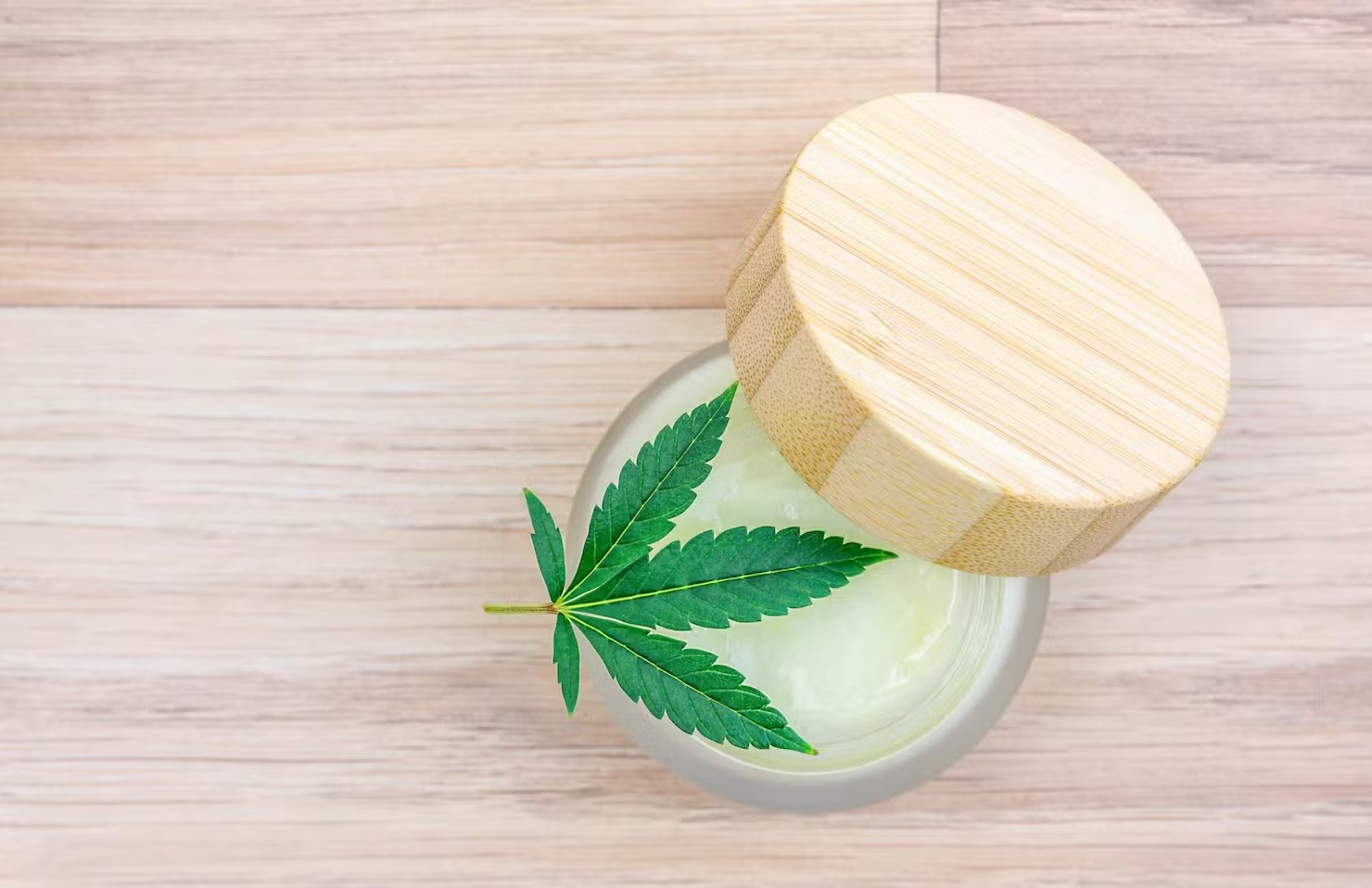
How Do Cannabis Topicals Work? Ointment is an umbrella phrase for a broad range of cannabis-infused items that are crafted and intended for application to the dermis. Unlike smoking, vaping, dabbing, or consuming edibles, topicals should not be inhaled or consumed. On the rare occasion when someone does, they don’t function the way a product intended for ingestion does.
The most frequent ointment you’ll encounter in a dispensary is some version of a cannabis-infused lotion or balm, which may also provide skin care advantages. In recent times, cannabis entrepreneurs have introduced cannabis body oils, sexual lubricants, bath products, bath fizzers, sprays, and transdermal patches to the lineup. There’s something for all requirements and sensory experiences.
Most topicals contain THC, CBD, or some combination of the two, and each cannabinoid presents distinct healing properties when applied topically. Newer formulations and wellness brands may utilize other, more specialized cannabinoids in their recipes, like CBN, THCV, CBDA, and THCA.
We are experiencing an ointment renaissance, with increased options for formulation and product type than ever before. Your local dispensary will likely carry at least one:
More emollient topicals like a balm or lotion are excellent carriers for cannabis-infused oils, as they incorporate oils well and spread on the skin easily. For those with oily skin, a mist-based formulation may function better; mists often also contain alcohol as a solvent to assist cannabinoids penetrate more effectively.
Bath products, such as bath fizzers or salts, provide a pleasant self-care experience alongside the plant medicine. They also allow for an all-over experience rather than just addressing a localized issue like a sore knee or wrist. Remember that these are generally single-use items and a consistent routine may be more expensive than a jar of lotion or bottle of cream.
What distinguishes most topicals from other cannabis commodities is that they do not penetrate the bloodstream. Cannabis affects us when we smoke, vape, or eat an edible, and activated cannabinoids enter our bloodstream.
Cannabinoids then interact with our endocannabinoid system, a complex system of receptors throughout our body that helps manage processes like digestion and immunity. Among these receptors, CB1 receptors, which mainly exist in the brain and nervous system, specifically interact with THC, hence the intoxication and euphoria we experience when consuming it. CB2 receptors can be located throughout the body’s organs and immune system. Both of these receptors are also present in the skin, but they engage with cannabinoids differently.
Our upper skin layers, the epidermis and dermis, guard our bodies from chemicals and debris, making it difficult to absorb cannabinoids.
But while you won’t feel elevated from most commercial topicals, they do still connect with local cannabinoid receptors in the skin. What topicals can provide that other products don’t is a targeted, site-specific relief from inflammation, nerve discomfort, arthritis, muscle cramps, and even migraines.
For the most part, no. One of the biggest advantages of topicals is that they won’t get you high and won’t appear on drug screenings. And that’s largely accurate—most ointment compositions absorb into the dermis and only interact with the local receptors there, so they won’t cross the blood barrier to intoxicate the user nor penetrate the body sufficiently to show up on a drug screening.
However, there are some exceptions, for instance, weed lubricant. The market for cannabis lubricants and sexual wellness items intended to enhance arousal and stimulation has expanded significantly in recent years. Some are water-based, others oil-based, so selecting the best one for you is a personal choice. Some may include penetration enhancers that can enter the bloodstream, and many permeable membranes are found in and around the genitals.
Transdermal topicals, such as gels or patches, are placed on a veiny area of the body, like the inner wrist or the top of a foot, and deliver a steady, low, dose of cannabinoids over a period of hours.
Due to penetration enhancers in recipes, cannabis in transdermal patches can enter the bloodstream and result in a high, according to a study on rats. So if a transdermal ointment contains THC, there is a possibility of intoxication, and you risk a positive drug screening when using one.
topicals are one of the simplest cannabis commodities to apply—simply spread wherever you find suitable! Many individuals apply them to specific areas for pain or inflammation relief. In addition to cannabinoids, many formulations include cooling, moisturizing, and soothing ingredients like menthol, hyaluronic acid, and essential oils.
topicals perform best on clean skin. Anecdotally, using topicals after a shower or bath may increase effectiveness due to the skin’s moisture and open pores, but this is not scientifically proven. For transdermal patches, skin should be dry for optimal sticking.
Just as different strains produce different effects, the cannabinoid profile in an ointment will provide relief for various symptoms. Initial research has indicated that applying cannabis to the skin, particularly CBD, not only aids with pain, muscle soreness, and inflammation, but can also alleviate topical skin conditions like eczema and acne.