

Therapeutic Cannabis
What is therapeutic cannabis?
Though cannabis, or marijuana, is commonly recognized as an enjoyable substance, it has been utilized as a remedy for thousands of years. Currently, marijuana is not permitted in many U.S. states, and only a few allow nonmedical cannabis consumption.
Thirty-three U.S. regions and Washington, D.C., have therapeutic cannabis schemes, while 11 regions and D.C. allow cannabis for adult use.
The mind-altering compound in cannabis is THC, short for delta-9-tetrahydrocannabinol. The concentration of THC in cannabis differs and has been gradually increasing over the past few decades.
According to the National Institute on Drug Abuse (NIDA)Trusted Source, the typical THC level of seized specimens was 3.7 percent in the 1990s. In 2013, it was 9.6 percent.
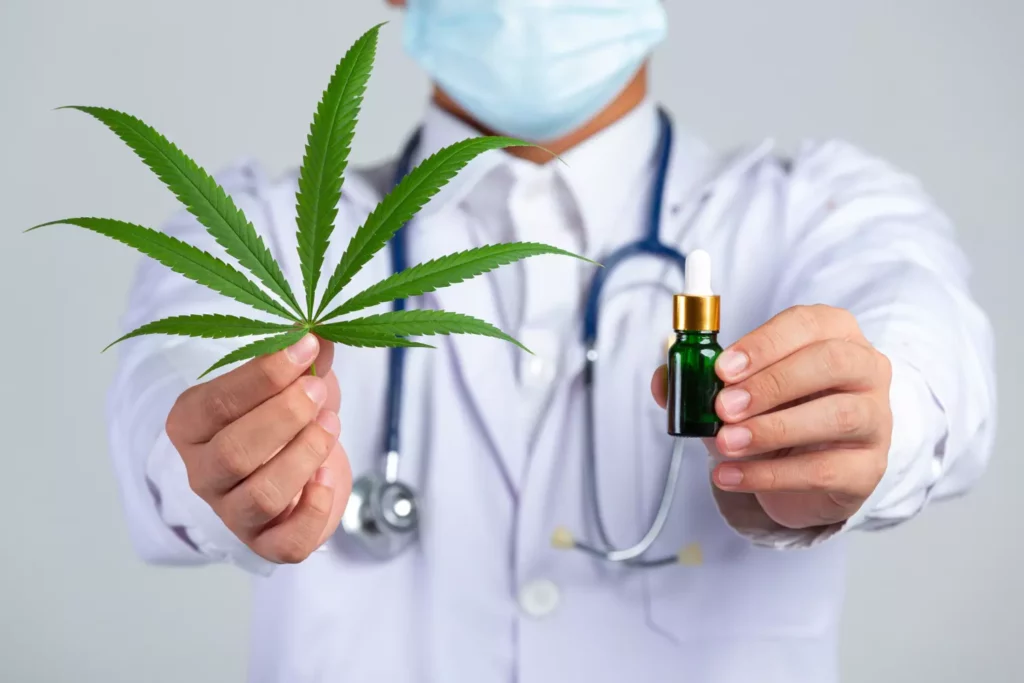
When THC enters the organism, it binds to and activates cannabinoid receptors in the brain. The activation of these receptors influences the body in various manners. Among its impacts are decreased pain and inflammation, increased appetite, nausea, and insomnia.
Another compound in cannabis that has beneficial health impacts is CBD. This compound is psychoactive, yet it’s non-impairing and non-euphoric, meaning it doesn’t induce the “high” that THC does.
In 2018, the Food and Drug Administration (FDA)Trusted Source authorized Epidiolex, a cannabidiol (CBD)-based treatment derived from the cannabis plant, to manage seizure disorders. It’s the first and only CBD treatment to gain FDA endorsement.
CBD can also be converted into an oil for use as a therapeutic balm. More investigation needs to be conducted into the impacts of CBD.
Cannabis is a Schedule I substance, even in regions where it’s legally allowed for medicinal purposes. Healthcare practitioners can’t prescribe it, though they can issue a recommendation or certify patients for its application. In some areas, advanced practice nurses, or APRNs, can write the recommendation or certification.
What does therapeutic cannabis address?
Investigators continue to examine the medicinal advantages of cannabis. It may be effective in managing:
Cannabis may also assist in managing these conditions:
any other ongoing or persistent medical symptom that restricts your ability to perform significant activities in life or can cause severe harm to you if not alleviated
Because cannabis can increase your hunger, it’s also helpful in managing conditions or side effects of ailments that lead to a decreased appetite, such as AIDS.
Therapeutic cannabis is used to alleviate symptoms. It isn’t employed to manage or cure diseases. Utilizing it won’t alter the result of a specific illness. However, it can relieve certain symptoms, enhance your well-being, and improve your quality of life.
What are the hazards of therapeutic cannabis?
One potential hazard of cannabis use is dependence. The discussion over whether cannabis is physically or psychologically habit-forming is ongoing.
NIDATrusted Source cites research indicating that 30 percent of cannabis consumers may have a cannabis use disorder. The research also notes that individuals who use cannabis before the age of 18 are four to seven times more likely to develop a cannabis use disorder than adults.
If you do become reliant on cannabis, you may experience withdrawal effects if you cease using the substance. Withdrawal effects may include:
Smoking tobacco results in both COPD and lung carcinoma. Researchers are divided on whether smoking cannabis can contribute to these ailments as well. Cannabis smoke does contain some of the same compounds as tobacco smoke and can lead to chronic bronchitis and airway irritation in individuals who use it regularly.
What are the adverse effects of therapeutic cannabis?
According to the National Cancer Institute (NCI)Trusted Source, potential side effects of cannabis use include:
Cognitive side effects of cannabis use encompass impaired:
Other side effects of cannabis use are:
It’s crucial to recognize that these side effects are dose-dependent and are more likely to occur with larger quantities and inexperienced cannabis users.
Individuals with psychological or emotional disorders may encounter paranoia or hallucinations. It could also exacerbate their depression or mania.
How is therapeutic cannabis administered?
Approaches for consuming cannabis include the following:
Inhalation: vaping and smoking
Oral consumption: oils, tinctures, capsules, and edibles
Topical: ointments, balms, and patches
Suppositories: rectal or vaginal suppositories
Your physician will ascertain the frequency of therapeutic cannabis usage. Collaborating with a qualified cannabis practitioner can also be advantageous, as they can assist you in determining the appropriate path and cannabinoid profile for you.
Prognosis
Although the American Cancer SocietyTrusted Source believes that more investigation needs to be done into therapeutic cannabis’s efficacy for individuals with cancer, it’s still frequently recommended to manage many conditions.
Cannabis is not a remedy in itself, but it can be utilized to alleviate adverse symptoms of illnesses or side effects of their therapies.
Consult with your healthcare provider if you think cannabis may assist with your condition. Although your provider can’t prescribe cannabis, they can write a recommendation or certify patients for its application.
Get your greens faster than ever with our reliable Weed Delivery order now!